Ideas begin in the heart, then in the imagination. The word gives them form, from which they can become anything.
Enjoy these essays
FEATURED ESSAYS
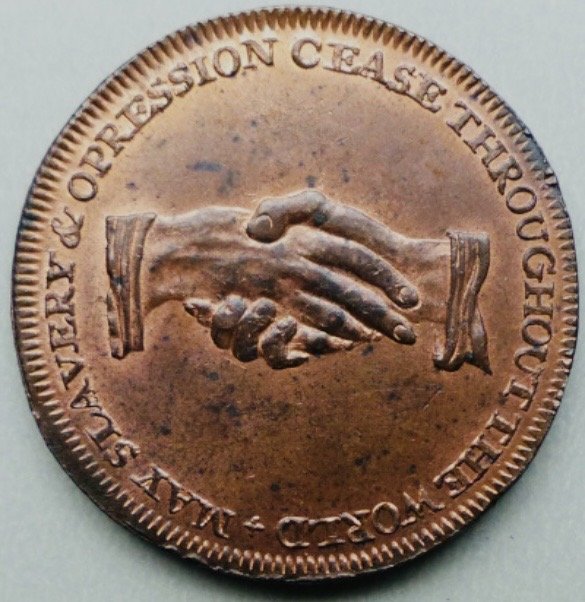




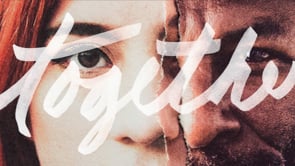
1:00 minAmerica belongs to all of us #together
Together Campaign — partnered with artists to create a new visual language for the emerging America. Worked to introduce Bernie Sanders’ ideas to the next generation of voters.
2.8M views. Run time 1:00 minAmerica should work for all of us. #votetogether
Special thanks to the people on the streets of New York who lent their faces to this film and to the idea of togetherness.
Directed by Jonathan Olinger
thehumanstory.com
Created by HUMAN, the storytelling agency
HUMAN.us
Score “Midnight” by Salomon Ligthelm
vimeo.com/ligthelm
Photography: Daniel N. Johnson
danieljohnson.is
Art Direction: Daniel N. Johnson, Sean Carasso
Edited by Jonathan Olinger
Animation: Daniel N. Johnson
Design: Mario Salangsang
Associate Producer: Stephan Cesarini
Special Thanks to Stephan Cesarini for original "Together" Idea. Special thanks to John Clang for your beautiful photo/stop-motion technique inspiration. johnclang.comfacebook.com/johnclangvimeo.com/14427000 as well as inspiration from the brilliant text-on-screen treatment of Chimamanda Ngozi Adichie's words as seen during Beyoncé's performance of "Flawless" by creative director Todd Tourso instagram.com/toddtourso and family photo usage inspired by genius directors Martin + Lindsay vimeo.com/77062487 — your creativity inspires us.
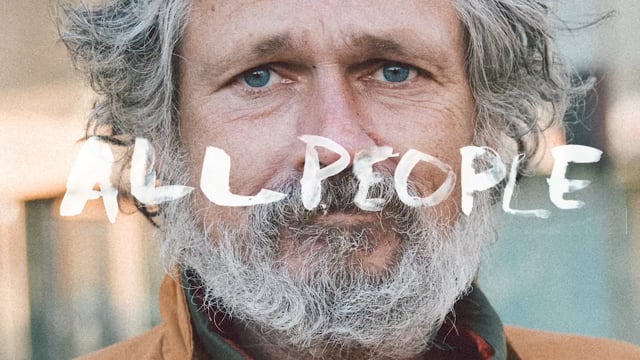
Uploaded on Jan 30, 2016 at 5:28 pm. 1:01 minEach of us for all of us. #ALLPEOPLE
Campaign for a future Texas, where all are free.
In support of Beto O’Rourke’s Senate campaign
Each of us for all of us. #ALLPEOPLE
Campaign supporting Beto O’Rourke’s Senate Campaign in Texas
Special thanks those in Texas who represented all people by lending their faces to this film.
Directed by Jonathan Olinger
http://HUMAN.us
Creative Director: Sean Carasso
Photography: Daniel N. Johnson
danieljohnson.is
Art Director: Talia Mayden
Score “One Precious Moment” by Ryan Taubert
Creative Collaborators: Brittany White, Wendell Lockart, Joseph Snell
Edited by Jonathan Olinger
Assistant Editing: Elliot Farinaro
Agency HUMAN
http://HUMAN.us
Uploaded on Nov 2, 2018 at 4:06 pm2:10 minRed Fawn became a political prisoner of Standing Rock. From inside an army tent, surrounded by heavy winter and in collaboration with the Indigenous Youth Council, we built this to demand her immediate release. #FreeRedFawn #StandingRock
2:10 min
3:52 minWhen a bomb cyclone hit Pine Ridge, the community came together to save lives. Made in partnership and collaboration with Ogalala Lakota families, to launch Oyate Rising.
Credit: tetonproductions
5:55 minA friend's twin brother walked across America, to heal from addiction. This inspired Mike Posner to do the same, in the other direction. When he was approaching the Four Corners, we joined him to walk across the Navajo Nation. This piece captures a glimpse of the beauty
Credit: Daniel N. Johnson